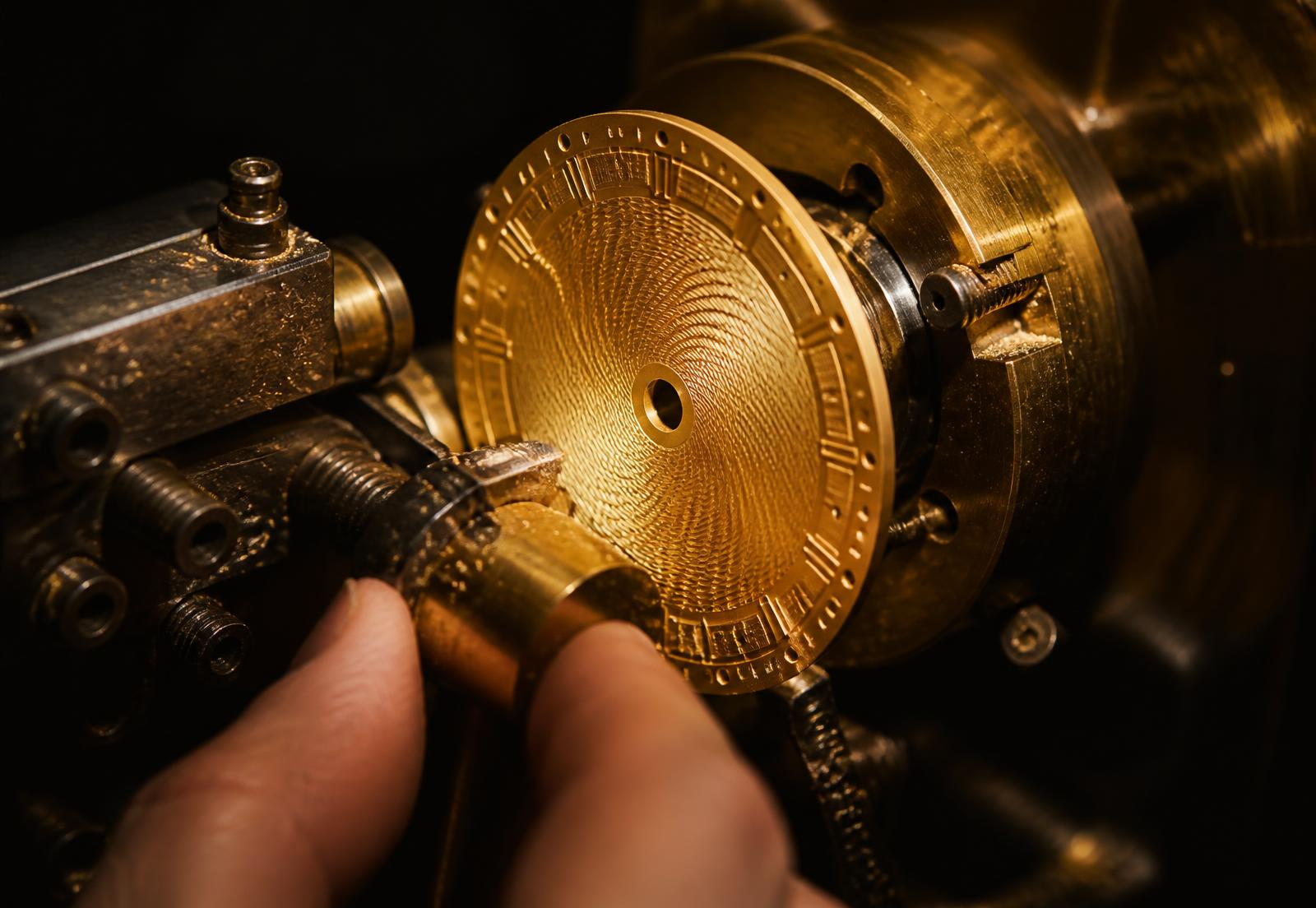
Savoir-Faire
Four stages before a watch is ours to sell
Nothing here is difficult to explain. It is only slow, patient, and impossible to shorten without lying about what a piece is.
The Principle
Anyone can sell a watch. The work is knowing, beyond argument, exactly what is being sold.
We open every caseback, because the owner will one day open it too and because our watchmakers would know either way. Fourteen people work between the salon and the workshop. Between them they accept fewer than two hundred pieces a year.
I
The Search
Pieces come to us from collectors, estates, dealers we have known for decades and the ateliers themselves. We look at roughly nine watches for every one we take, and we will wait years for a particular reference rather than accept a compromised example of it.
Weeks to years per piece
II
Authentication
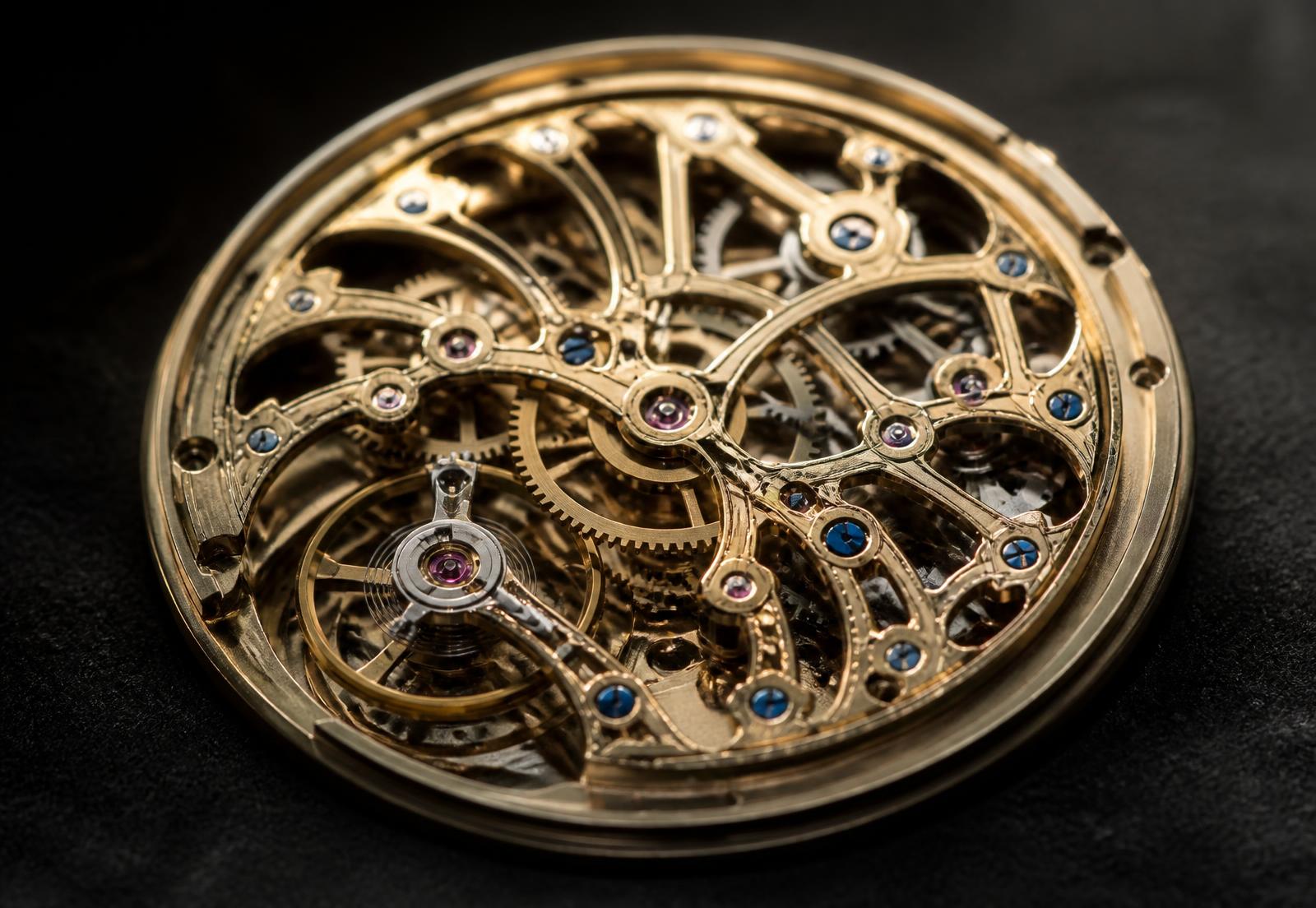
The caseback comes off. Serial numbers are read against factory records, hallmarks verified, the calibre matched to the reference, and the dial studied under magnification for the faint halo that betrays a refinish. A piece that cannot be accounted for is returned to its owner.
12 hours per piece
III
Service and Restoration
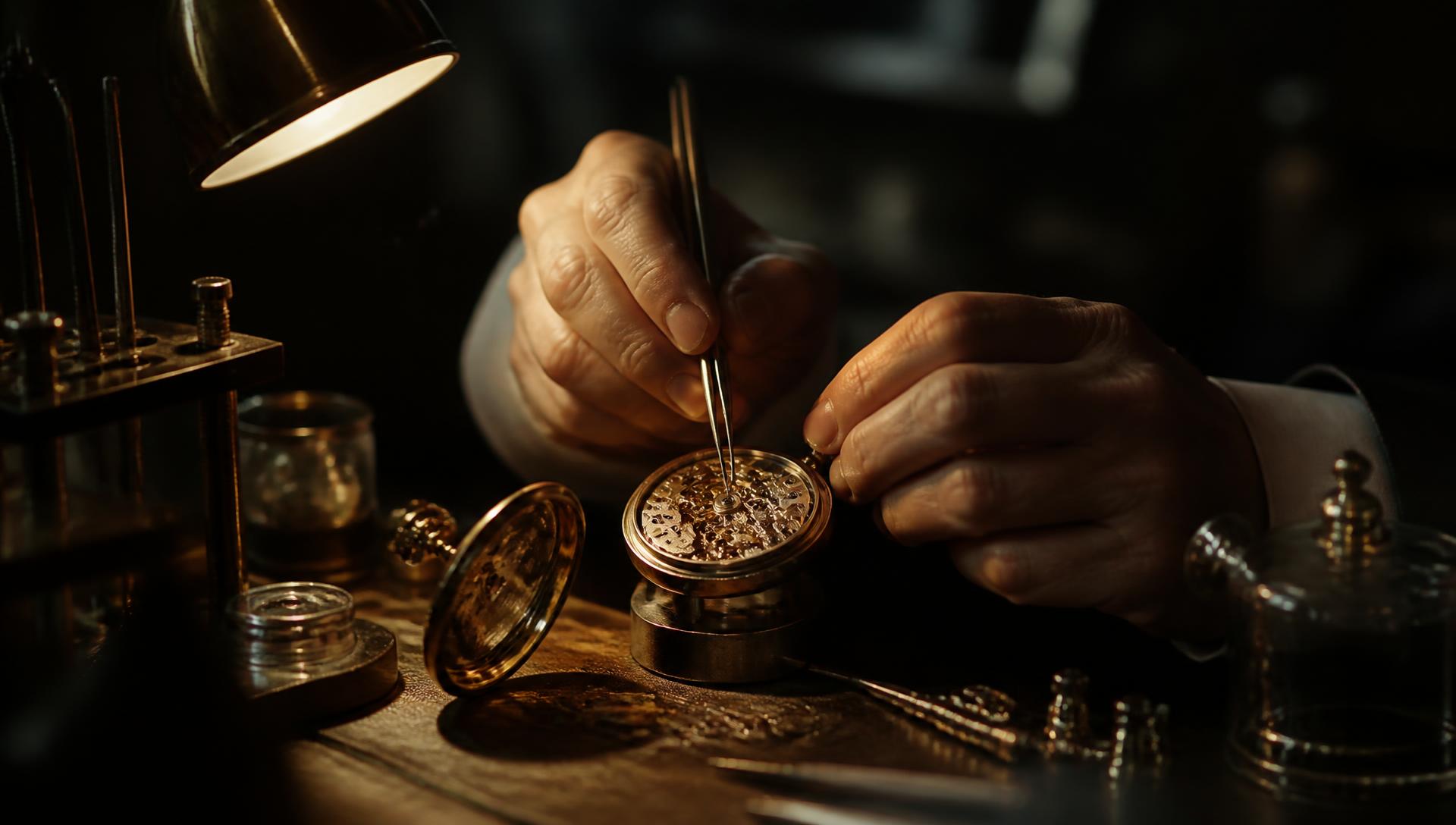
The movement is stripped, cleaned, lubricated and regulated in six positions over fourteen days. Where a part must be replaced we look for an original first, and we conserve cases rather than polish them — metal removed to flatter a photograph never comes back.
60 hours per piece
IV
The Vitrine and the Journey
Only then is a piece photographed, documented and placed in the window — in Geneva and online at once. It leaves in sealed presentation packaging, insured and hand-carried where required, to any address in the world.
48 hours to dispatch per piece
Wrist Full of Dreams
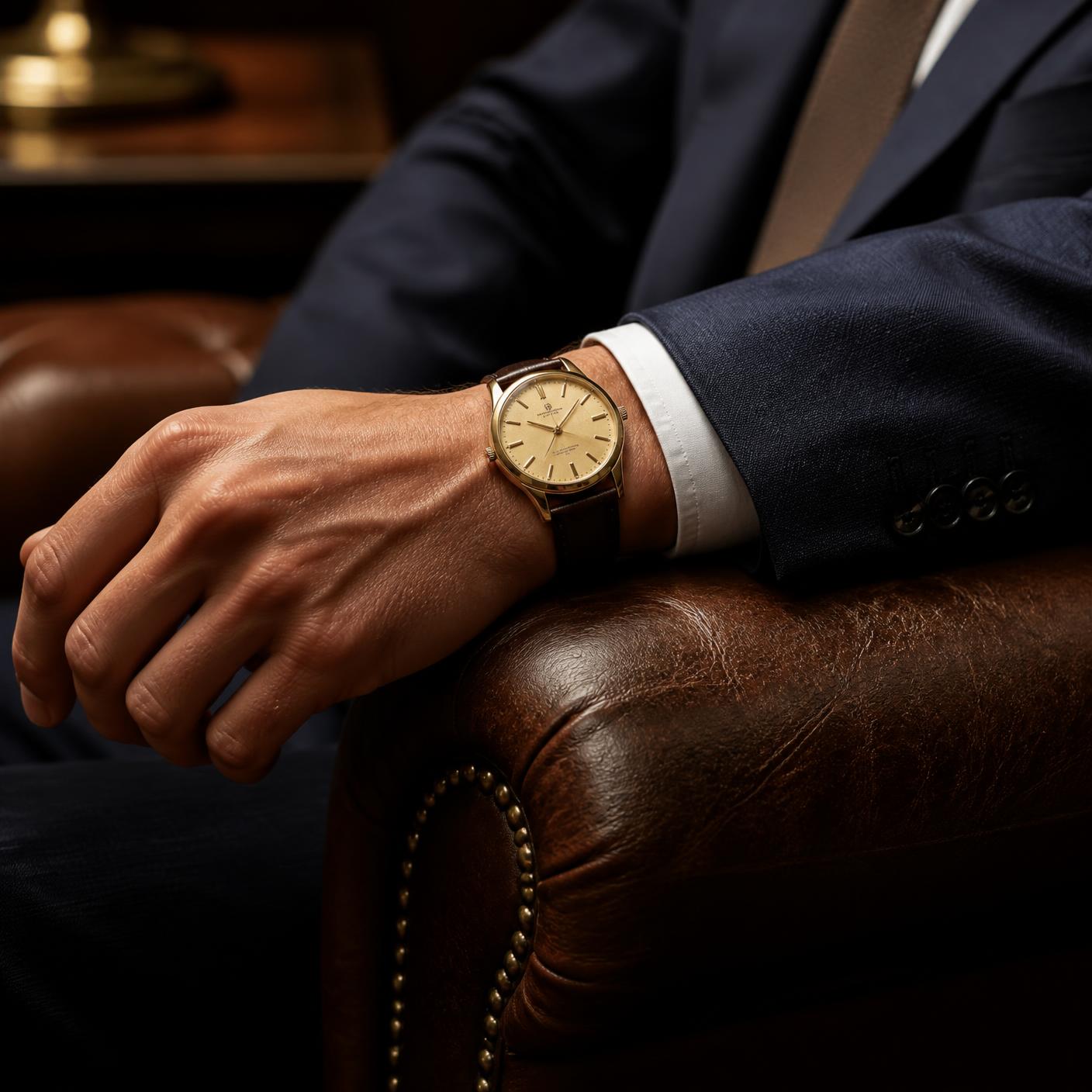
It is finished when it is worn
Our work ends the moment a piece is fastened for the first time. Everything after that belongs to its owner: the marks, the service records, the eventual handing on.
Explore the Collection